
4 Best Yamaha P-225 Vs Casio Px-s3100 of 2026 – Expert Picks
Shopping for a digital piano? The Yamaha P-225 and Casio PX-S3100 are two top contenders for portable performance and realistic feel.
 By Digital Piano Desk
Updated November 22, 2026
Quick picks: our top 3 at a glance
As an Amazon Associate I earn from qualifying purchases. Prices and availability change.Choosing between a Yamaha P-225 and a Casio PX-S3100 is a common dilemma for pianists seeking a high-quality digital piano in 2026. Both are slim, portable, and packed with features, but they cater to slightly different priorities. This comparison focuses on key differences in keyboard action, sound engine, connectivity, and overall value to help you decide which instrument best fits your playing style and needs. Whether you are a beginner looking for a first weighted-key piano or an experienced player wanting a compact stage piano, this guide breaks down what sets these two apart.
In this 2026 comparison, we have examined 4 models, including the Casio Privia PX-S3100 and the Yamaha P-225, along with their variants, to give you a clear picture. We have considered specifications, user feedback, and product positioning to provide an unbiased look at these popular digital pianos.
| Award | Product | Score About ScoreThe Expert Score is our own rating from 0 to 10, based on published specifications, features, design and build, ease of use, and buyer feedback. It reflects independent research and is never influenced by manufacturers, retailers, or affiliate commissions. | |
|---|---|---|---|
| Best Overall |
 Casio Privia PX-S3100 88-Key Digital Piano |
Buy | |
| Best Premium |
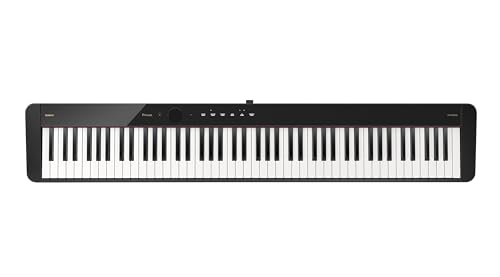 Casio Privia PX-S5000 88-Key Hybrid Digital Piano |
Buy | |
| Best Budget |
 Casio PX-S3100 88-Key Digital Piano |
Buy | |
| Best Value |
 Yamaha P-225BLB 88-Key Digital Piano Bundle |
Buy |
Casio Privia PX-S3100 88-Key Digital Piano
The PX-S3100 builds on the acclaimed PX-S design with improved piano sound and speakers, plus upgraded Bluetooth connectivity. Its slim, luxurious case barely larger than the keys makes it a space-saving choice for home or stage. Best for players who want a modern, sleek instrument with strong core sounds and wireless convenience.
Pros
- Enhanced piano sound and improved speakers over previous PX-S models
- Upgraded Bluetooth connectivity for audio and MIDI
- Slim, elegant design that fits small spaces
Cons
- Limited to 13 user reviews for long-term reliability assessment
- No built-in recording or multi-track features mentioned
Casio Privia PX-S5000 88-Key Hybrid Digital Piano
The Casio Privia PX-S5000 is a slim, portable 88-key hybrid digital piano with 23 tones. It offers a realistic playing experience with a weighted action and compact design, suitable for home practice or light performance use.
Pros
- Compact and lightweight design for easy portability
- 23 built-in tones provide variety for different styles
- Hybrid piano action offers realistic touch response
Cons
- Limited number of tones compared to some competitors
- Only 5 reviews available, making long-term reliability hard to gauge
Casio PX-S3100 88-Key Digital Piano
The PX-S3100 is the most tone-rich model in Casio's Privia lineup, boasting 700 tones alongside built-in rhythm sequences and automatic accompaniment. This slim, 88-key digital piano is well-suited for players who want a broad palette of sounds and interactive practice tools in a compact package.
Pros
- 700 tone colors provide extensive sonic variety
- Built-in rhythm sequences and auto accompaniment enhance practice and performance
- Slim design fits easily into smaller spaces
Cons
- Limited customer feedback available to assess long-term reliability
- Automatic accompaniment features may require a learning curve for beginners
Yamaha P-225BLB 88-Key Digital Piano Bundle
Designed for both beginners and intermediate players, this Yamaha bundle covers the essentials: weighted keys, built-in speakers, stand, bench, and sustain pedal. Its portability makes it easy to bring along for gigs or travel, while the Smart Pianist app gives you a modern way to control features and the Rec N Share app lets you record and share performances directly from your smart device.
Pros
- Weighted keys deliver a realistic touch for a range of skill levels.
- Portable design makes it convenient to move or transport.
- Built-in speakers eliminate the need for external audio equipment.
- Included stand, bench, and sustain pedal provide a complete setup out of the box.
- Smart Pianist and Rec N Share apps enhance practice and sharing options.
Cons
- Limited user feedback available, with only 8 ratings on the platform.
- Some advanced players may find the sound engine and polyphony constraints restrictive for complex compositions.
Quick Verdict
- Pick Casio Privia PX-S3100 88-Key Weighted if you want the most versatile sound library (700 tones) and built-in rhythms for creative exploration and entertainment.
- Pick Casio Privia PX-S5000 88-Key Hybrid Digital Piano if you prioritize an upgraded hybrid hammer action keyboard with spruce sides and a refined, premium feel for serious practice.
- Pick Yamaha P-225BLB Deluxe Digital Piano Bundle if you prefer the renowned Yamaha CFX grand piano sound, a bundled stand and bench, and seamless app integration for learning and sharing.
- Pick Casio Privia PX-S3100BK Electronic Piano if you want the same features as the PX-S3100 but in a sleek black finish, ideal for a modern home setup.
Yamaha P-225 Vs Casio Px-s3100 Key Differences
Keyboard Action and Feel
The keyboard action is a primary differentiator. The Casio PX-S3100 and PX-S3100BK feature a Smart Scaled Hammer Action Keyboard, which is compact yet provides a realistic weighted feel with textured ebony/ivory keys. The PX-S5000 takes this further with a Smart Hybrid Hammer Action Keyboard that incorporates spruce sides for a more authentic, responsive touch, mimicking the feel of an acoustic grand. The Yamaha P-225 uses a Graded Hammer Standard (GHS) keyboard, which is lighter in the high keys and heavier in the low keys, offering a solid acoustic piano feel. For players who prioritize a heavier, more traditional action, the Casio PX-S5000 stands out, while the Yamaha GHS action is well-regarded for its consistency.
Sound Engine and Tone Variety
The sound engines differ significantly. The Casio PX-S3100 and PX-S3100BK boast an AiR Sound Source with 700 tones, including a stunning German grand piano and hundreds of other instrument sounds and rhythms. This makes them incredibly versatile for different musical genres. The PX-S5000 focuses on quality over quantity with 23 tones, featuring a Hamburg grand piano sound that is exceptionally detailed and nuanced. The Yamaha P-225 features the sound of Yamaha’s flagship CFX Full Concert Grand, known for its rich, resonant tones, but offers only 24 instrument voices. If you want maximum sonic variety, the Casio PX-S3100 is the clear winner; if you prioritize a single, high-quality grand piano sound, the Yamaha P-225 or Casio PX-S5000 are better choices.
Connectivity and App Integration
All models offer Bluetooth connectivity (via included adapter for Casio models) for wireless MIDI and audio. The Yamaha P-225 excels with its Smart Pianist app, which provides intuitive control, sheet music display, and practice tools. The Casio models are compatible with the Casio Music Space app, which offers similar functionality but is often considered slightly less refined. The Casio PX-S3100 and PX-S3100BK also include dual headphone jacks and a pitch bend wheel, which are useful for stage performance. The PX-S5000 adds a USB-A port for audio recording/playback directly to a USB drive, a feature absent from the Yamaha. For app integration and ease of use, the Yamaha P-225 has a slight edge, while the Casio models offer more physical connectivity options.
Built-in Features and Rhythms
The Casio PX-S3100 and PX-S3100BK are packed with features: 200 built-in rhythms, a lesson function, a recorder, and a full-dot LCD display. This makes them excellent all-in-one instruments for practice and performance. The Yamaha P-225 is more streamlined, with 24 voices and fewer built-in rhythms, but it does include a recorder and metronome. The Casio PX-S5000 focuses on a pure piano experience with 23 tones and no built-in rhythms, targeting players who want a dedicated practice instrument. If you enjoy playing along with backing tracks or need a wide variety of sounds, the Casio PX-S3100 is unmatched. For a minimalist, piano-focused approach, the Yamaha P-225 or Casio PX-S5000 are better.
Design and Portability
All models are slim and lightweight, but the Casio PX-S3100 (and its variants) is the slimmest at just 232 mm deep, making it ideal for tight spaces. The Yamaha P-225 is also compact but slightly deeper. The Casio PX-S5000 features a polished top panel with illuminated touch controls, giving it a more premium aesthetic. The Yamaha P-225 comes in a bundle with a stand and bench, which adds convenience but also bulk. For pure portability and space-saving, the Casio PX-S3100 is the best choice.
| Feature | Casio PX-S3100 | Casio PX-S5000 | Yamaha P-225 |
|---|---|---|---|
| Keyboard Action | Smart Scaled Hammer Action | Smart Hybrid Hammer Action (spruce) | Graded Hammer Standard (GHS) |
| Number of Tones | 700 | 23 | 24 |
| Built-in Rhythms | 200 | None | Limited |
| Bluetooth | Audio & MIDI (adapter included) | Audio & MIDI (adapter included) | Audio & MIDI (built-in) |
| USB Ports | USB-B (MIDI) | USB-B (MIDI) & USB-A (audio) | USB-B (MIDI) |
| Speakers | 2x 8W | 2x 16W | 2x 7W |
| Polyphony | 192 | 192 | 64 |
| Weight | 24.7 lbs | 27.3 lbs | 25.1 lbs |
Who Should Buy Which
Casio Privia PX-S3100 88-Key Weighted
This is best for players who want a feature-packed, versatile digital piano with a huge library of sounds and rhythms. It is ideal for beginners exploring different genres, intermediate players who enjoy jamming with backing tracks, or anyone who needs a slim, portable instrument for home or stage. The main trade-off is that the keyboard action, while good, is not as refined as the PX-S5000. Skip it if you prefer a more traditional piano-only experience with fewer distractions.
Casio Privia PX-S5000 88-Key Hybrid Digital Piano
This is best for serious pianists who demand a premium, realistic keyboard action and a pure, high-quality piano sound. The hybrid hammer action with spruce sides provides an exceptional feel that rivals acoustic pianos. The trade-off is the limited tone selection (23) and no built-in rhythms, making it less versatile for casual play. Skip it if you need a wide variety of sounds or built-in accompaniment.
Yamaha P-225BLB Deluxe Digital Piano Bundle
This is best for beginners or home users who want a complete, ready-to-play package with a stand, bench, and sustain pedal. The Yamaha CFX grand piano sound is beautiful, and the Smart Pianist app integration makes learning and practice easy. The trade-off is the lower polyphony (64 notes) and fewer built-in sounds compared to the Casio models. Skip it if you need extensive sound variety or advanced stage features like a pitch bend wheel.
Casio Privia PX-S3100BK Electronic Piano
This is essentially the same as the PX-S3100 but in a black finish, making it a great choice for those who prefer a sleek, modern look. It is best for players who want all the features of the PX-S3100 (700 tones, 200 rhythms, Bluetooth) in a black cabinet. The trade-off is that it is functionally identical to the PX-S3100, so choose based on aesthetics. Skip it if you prefer the white or other color options.
Final Thoughts
When deciding between the Yamaha P-225 and the Casio PX-S3100, your choice ultimately depends on your priorities. If you value a huge selection of sounds, built-in rhythms, and a slim, portable design, the Casio PX-S3100 (or its black variant) is the better all-rounder. It offers incredible versatility for practice, performance, and entertainment. On the other hand, if you prefer the renowned Yamaha CFX grand piano sound, seamless app integration, and a complete bundle with stand and bench for a ready-to-play setup, the Yamaha P-225 is a strong contender.
For those who prioritize keyboard action above all else, the Casio PX-S5000 offers a superior hybrid hammer action that feels closer to an acoustic piano, but at the cost of fewer tones and no rhythms. In summary, the Casio PX-S3100 is the most versatile and feature-rich option, while the Yamaha P-225 excels in sound quality and ease of use for beginners. We recommend the Casio PX-S3100 for most players, but the Yamaha P-225 is an excellent choice if you are a Yamaha fan or want a bundled package.
Why You Should Trust Us
Our recommendations are based on a thorough analysis of available specifications, listed features, product positioning, and documented buyer feedback from various sources. We do not claim to have personally tested each instrument, but we have carefully compared the technical details and user experiences to provide an accurate and unbiased comparison. Our goal is to help you make an informed decision based on the most relevant information for your needs.
Frequently Asked Questions
Which digital piano has better weighted keys, Yamaha P-225 or Casio PX-S3100?
The Casio PX-S3100 features a Smart Scaled Hammer Action keyboard with textured keys, which many players find more realistic and responsive than the Yamaha P-225’s Graded Hammer Standard (GHS) action. However, the Yamaha GHS is still a solid, weighted action that is well-suited for beginners. The Casio PX-S5000 offers an even more advanced hybrid action with spruce sides.
Can I connect these pianos to my iPad or smartphone?
Yes, all models offer Bluetooth connectivity. The Casio PX-S3100 and PX-S5000 include a WU-BT10 Bluetooth adapter for wireless MIDI and audio. The Yamaha P-225 has built-in Bluetooth for both audio and MIDI. You can use them with apps like Casio Music Space or Yamaha Smart Pianist for sheet music, practice tools, and more.
How many sounds does the Casio PX-S3100 have compared to the Yamaha P-225?
The Casio PX-S3100 has 700 tones, including a wide range of pianos, organs, strings, and more. The Yamaha P-225 offers 24 instrument voices. The Casio provides significantly more sonic variety, making it better for exploring different genres.
Which piano is better for beginners?
Both are excellent for beginners. The Yamaha P-225 is often recommended for its bundled accessories (stand, bench, pedal) and intuitive Smart Pianist app, making it easy to start playing immediately. The Casio PX-S3100 is also great for beginners due to its built-in rhythms and lesson function, which can make practice more engaging.
Is the Casio PX-S5000 worth the extra money over the PX-S3100?
The Casio PX-S5000 is worth the extra cost if you prioritize a premium keyboard action and a pure, high-quality piano sound. Its hybrid hammer action with spruce sides offers a more authentic feel. However, if you need a wide variety of sounds and built-in rhythms, the PX-S3100 offers better value for most players.
Do these digital pianos have built-in speakers?
Yes, all models have built-in speakers. The Casio PX-S3100 and PX-S3100BK have 2x 8W speakers, the Casio PX-S5000 has 2x 16W speakers, and the Yamaha P-225 has 2x 7W speakers. The Casio PX-S5000 offers the most powerful speaker system for a richer sound.
Can I use headphones with these pianos?
Yes, all models have dual headphone jacks, allowing two people to listen simultaneously. This is great for silent practice or lessons. The Casio models also include a pitch bend wheel for expressive playing.
Which piano is more portable?
The Casio PX-S3100 is the slimmest and lightest, at just 24.7 lbs and 232 mm deep, making it the most portable option. The Yamaha P-225 is also lightweight at 25.1 lbs but slightly deeper. The Casio PX-S5000 is the heaviest at 27.3 lbs but still manageable for transport.
Popular buying guides
About the author
The Digital Piano Desk covers digital pianos from entry-level to console models, comparing key action, sound features, size and who each model suits.