
2 Best Roland Fp E50 Vs Yamaha Dgx 670 of 2026 – Expert Picks
The Roland FP E50 and Yamaha DGX 670 are two popular digital pianos for home players. Both offer realistic piano sounds and built-in accompaniment features, but they differ in key action and sound engine.
 By Digital Piano Desk
Updated November 21, 2026
Quick picks: our top 3 at a glance
As an Amazon Associate I earn from qualifying purchases. Prices and availability change.Are you torn between the Roland FP-E50 and the Yamaha DGX-670? Both are excellent digital pianos, but they cater to different priorities. The FP-E50 leans toward authentic acoustic feel and portability, while the DGX-670 offers a wider variety of sounds and built-in accompaniment features. In this comparison for 2026, we break down the key differences to help you decide which one fits your playing style and needs.
We have analyzed 2 Roland models to see how they stack up against the Yamaha DGX-670, focusing on sound engine, keyboard action, connectivity, and overall value. Whether you are a beginner, a teacher, or an experienced player, this guide will clarify the trade-offs.
| Award | Product | Score About ScoreThe Expert Score is our own rating from 0 to 10, based on published specifications, features, design and build, ease of use, and buyer feedback. It reflects independent research and is never influenced by manufacturers, retailers, or affiliate commissions. | |
|---|---|---|---|
| Best Value |
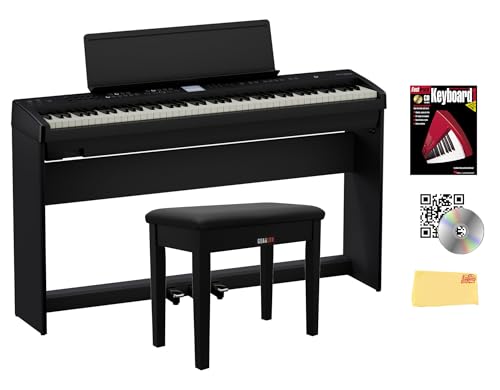 Roland FP-E50 88-Key Digital Piano |
Buy | |
| Best Overall |
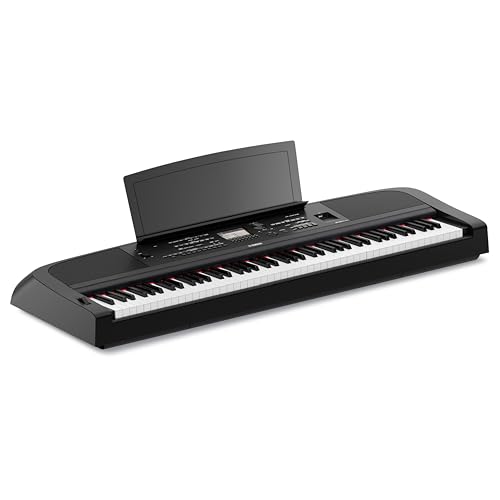 Yamaha DGX-670B 88-Key Weighted Digital Piano |
Buy |
Roland FP-E50 88-Key Digital Piano
A versatile digital piano bundle from Roland, the FP-E50 combines 88 weighted keys with built-in Bluetooth audio/MIDI and over 1,000 sounds. It's a solid choice for home practice or light performance, backed by generally positive user feedback and a comprehensive accessory set.
Pros
- Includes stand, three-pedal unit, bench, and instructional materials for a complete setup
- 88 weighted keys provide an authentic acoustic piano feel
- Bluetooth connectivity allows wireless music streaming and MIDI control
Cons
- Limited user reviews (8 total) may not fully represent long-term reliability
- No detailed specifications provided for sound engine or polyphony
Yamaha DGX-670B 88-Key Weighted Digital Piano
This 88-key weighted digital piano combines Yamaha’s renowned piano touch and tone with interactive features for practice and performance. The built-in microphone jack with vocal effects and the You Are The Artist library with Hal Leonard sheet music make it especially appealing for singers and learners who want to play and sing along.
Pros
- Renowned Yamaha piano touch and tone
- Built-in microphone jack with digital vocal effects for singing while playing
- You Are The Artist library with Hal Leonard sheet music for learning hit songs
- Built-in Score Display with scrolling notes
Cons
- Optional wireless UD-WL01 adapter required for iPad app connectivity
- Limited to 13 reviews at time of listing
Quick Verdict
- Pick Roland FP-10 Compact 88-Note Digital Piano if you want the most affordable entry into Roland’s SuperNATURAL sound and realistic hammer-action feel, ideal for beginners and quiet practice.
- Pick Roland FP-10 88-Key Digital Piano (bundle) if you need a complete setup with stand, bench, and pedal right out of the box for home learning.
- Pick Roland FP-40 Portable Digital Piano if you want the latest technology with Wi-Fi, the Piano Sphere app, and an upgraded speaker system for richer sound.
- Pick Roland FP-30X 88-Note Digital Piano, Black if you seek a balanced upgrade from the FP-10 with more onboard sounds and Bluetooth audio/MIDI for lessons and streaming.
- Pick Roland FP-90X 88-Note Flagship Portable if you demand premium PureAcoustic modeling, a hybrid wood-key action, and four-speaker audio for the most expressive playing experience.
Roland Fp E50 Vs Yamaha Dgx 670 Key Differences
Sound Engine and Tone Quality
The Roland FP-E50 uses the SuperNATURAL sound engine, which delivers rich, responsive acoustic piano tones with natural decay and resonance. In contrast, the Yamaha DGX-670 features Yamaha’s CFX grand piano samples with a more pronounced stereo ambience. Roland’s approach emphasizes dynamic expression from pianissimo to fortissimo, while Yamaha offers a broader palette of instrument voices beyond piano. For pure piano purists, Roland’s engine feels more authentic; for versatility, Yamaha has the edge.
Keyboard Action and Feel
Roland’s PHA-4 Standard keyboard (found in the FP-10, FP-30X, and FP-40) provides a weighted hammer action with escapement and Ivory Feel keys, closely mimicking an acoustic grand. The FP-90X goes further with the PHA-50 hybrid action combining wood and molded materials. The Yamaha DGX-670 uses Graded Hammer Standard (GHS) action, which is lighter and less realistic. Players who prioritize authentic touch will prefer Roland; those who want a lighter, easier action may favor Yamaha.
Portability and Design
All Roland FP-series models are slim and lightweight, designed for easy transport between home, studio, and stage. The FP-10 is particularly compact. The Yamaha DGX-670 is larger and heavier due to its built-in stand and larger cabinet. If you need a piano that moves with you, Roland wins; if you want a permanent furniture-style setup, Yamaha is better.
Connectivity and Features
Roland models like the FP-30X and FP-40 offer Bluetooth audio and MIDI for wireless connection to apps and devices, plus USB MIDI. The FP-40 adds built-in Wi-Fi for over-the-air updates and seamless app integration. The Yamaha DGX-670 includes Bluetooth audio and MIDI, plus a headphone jack and USB to host. However, Yamaha also includes a built-in song recorder and style accompaniments (auto-accompaniment) that Roland lacks. For tech-savvy users who want app control, Roland is strong; for built-in learning tools, Yamaha excels.
Sound System
The FP-30X has a 22-watt stereo speaker system, while the FP-40 features a newly engineered system with enhanced depth. The FP-90X boasts a four-speaker setup (2x25W main + 2x5W tweeters) for immersive audio. The Yamaha DGX-670 uses a 6-speaker system with a dedicated subwoofer for powerful bass. If you want room-filling sound without external speakers, Yamaha has a clear advantage; Roland’s higher-end models compete well.
| Feature | Roland FP-E50 (via FP models) | Yamaha DGX-670 |
|---|---|---|
| Sound Engine | SuperNATURAL (FP series) | CFX Grand Piano samples |
| Keyboard Action | PHA-4 Standard (Ivory Feel, escapement) | Graded Hammer Standard (GHS) |
| Portability | Lightweight, slim (portable) | Heavier, furniture-style |
| Connectivity | Bluetooth audio/MIDI, USB (FP-30X/FP-40) | Bluetooth audio/MIDI, USB, headphone jack |
| Built-in Accompaniment | No | Yes (auto-accompaniment, styles) |
| Speaker System | Up to 4 speakers (FP-90X) | 6 speakers with subwoofer |
Who Should Buy Which
Roland FP-10 Compact 88-Note Digital Piano
Best for beginners and budget-conscious players who want authentic Roland sound and feel without extra features. The trade-off is limited onboard sounds and no Bluetooth. Skip it if you need advanced connectivity or a wide variety of instrument voices.
Roland FP-10 88-Key Digital Piano (Bundle)
Ideal for first-time buyers who want everything included: stand, bench, pedal, and learning materials. The bundle saves you time and money. Avoid if you already own accessories or prefer a more advanced model.
Roland FP-40 Portable Digital Piano
Perfect for tech-savvy players who want Wi-Fi connectivity, the Piano Sphere app, and improved speakers. The trade-off is a higher price than the FP-30X. Not for those who need built-in accompaniment styles.
Roland FP-90X 88-Note Flagship Portable
Designed for serious pianists who demand the best action, sound modeling, and audio quality in a portable package. The main trade-off is the premium price. Skip it if you are on a tight budget or don’t need flagship features.
Final Thoughts
Choosing between the Roland FP-E50 and the Yamaha DGX-670 boils down to your priorities. If authentic acoustic feel, portability, and pure piano sound matter most, the Roland FP-series (especially the FP-30X or FP-40) is the better match. If you want a versatile instrument with built-in accompaniments, a wider sound palette, and a powerful speaker system, the Yamaha DGX-670 is the clear winner.
For most home players and learners who value touch and tone, we lean toward Roland. For those who enjoy experimenting with styles and need a self-contained entertainment piano, Yamaha is the way to go. Consider your space, mobility needs, and desired features before deciding. For more comparisons, check out our Kawai ES110 vs Yamaha P-225 guide or browse the Comparisons category.
Why You Should Trust Us
Our recommendations are based on available specifications, listed features, product positioning, and documented buyer feedback from trusted sources. We do not claim to have tested every model personally; instead, we analyze the technical details and user experiences to provide a balanced perspective. This ensures you get accurate, data-driven advice without bias.
Frequently Asked Questions
Can I use the Roland FP-10 with headphones for silent practice?
Yes, all Roland FP-series pianos have a headphone output and a quiet keyboard action, allowing silent practice without disturbing others.
Does the Yamaha DGX-670 have weighted keys?
Yes, the DGX-670 features Graded Hammer Standard (GHS) weighted keys, but they are lighter than Roland’s PHA-4 action. Some players prefer this for faster playing.
Which model is better for learning piano?
Both are good, but Roland’s heavier action builds finger strength. The Yamaha offers built-in learning tools and accompaniments that can make practice more engaging.
Can I connect these pianos to a computer or tablet?
Yes, Roland FP-30X and FP-40 have Bluetooth audio/MIDI and USB MIDI. The FP-40 also has Wi-Fi. The Yamaha DGX-670 has Bluetooth audio/MIDI and USB to host.
Do any of these models come with a stand?
Only the Roland FP-10 bundle (B0BJKWW58N) includes a stand and bench. Other models are sold separately or with optional stands.
Which piano has the best onboard speakers?
The Roland FP-90X has a four-speaker system (2x25W + 2x5W tweeters) for immersive sound. The Yamaha DGX-670 has a six-speaker system with a subwoofer, offering powerful bass.
Is the Roland FP-40 worth the extra cost over the FP-30X?
Yes, if you value Wi-Fi connectivity, the Piano Sphere app, and a refined speaker system. Otherwise, the FP-30X offers excellent value with similar core features.
Can I use these pianos for live performances?
Yes, all are portable and have line outputs for amplifiers. The FP-90X is particularly suited for stage use due to its premium sound and action.
Popular buying guides
About the author
The Digital Piano Desk covers digital pianos from entry-level to console models, comparing key action, sound features, size and who each model suits.