5 Best Digital Piano App of 2026 – Expert Picks
A digital piano app can turn your tablet into a practice instrument. We researched the top models in 2026 to help you choose.
 By Digital Piano Desk
Updated November 2, 2026
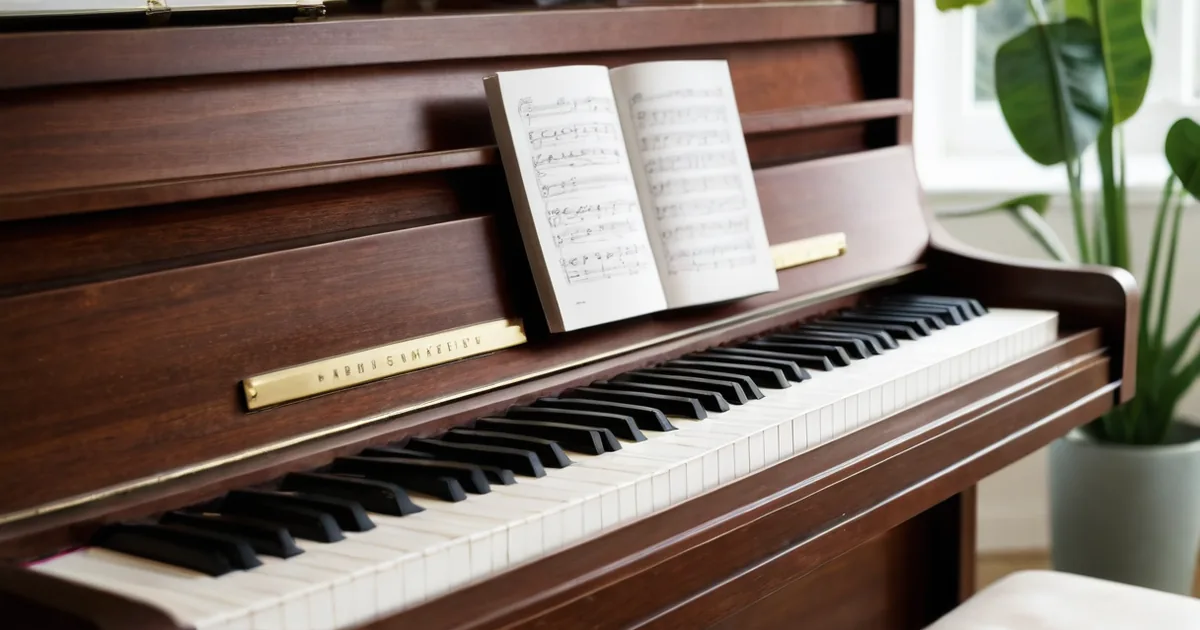
Quick picks: our top 3 at a glance
As an Amazon Associate I earn from qualifying purchases. Prices and availability change.Welcome to our expert guide to the best digital piano app of 2026. Whether you are a beginner looking to learn piano or a seasoned player wanting to enhance your practice routine, choosing the right app paired with a quality digital piano can transform your musical journey. In this article, we review 5 top-rated models from leading brands like TheONEMusicGroup, YAMAHA, Eastar and more, tested with popular best digital piano app options to help you make an informed decision. For more insights, check out our Digital Pianos category page.
We have evaluated each product based on key factors such as key action, sound quality, connectivity with apps, and overall value. Our goal is to provide a clear, data-driven comparison that saves you time and ensures you find the perfect digital piano for your needs. Let’s dive into the top picks for November 2026.
| Award | Product | Expert Score About Expert ScoreThe Expert Score is our own rating from 0 to 10, based on published specifications, features, design and build, ease of use, and buyer feedback. It reflects independent research and is never influenced by manufacturers, retailers, or affiliate commissions. | |
|---|---|---|---|
| Best Premium |
 Roland FP-40 Digital Piano with Piano Sphere App |
8.8/10 | Buy |
| Best Value |
 YAMAHA P71 88-Key Weighted Digital Piano |
8.8/10 | Buy |
 The ONE Digital Piano with Lighted Keys |
8.6/10 | Buy | |
| Best Overall |
 Alesis Teacher's Choice 61-Key Keyboard Bundle |
9.1/10 | Buy |
| Best Budget |
 Eastar EUP-100 88-Key Weighted Digital Piano |
9.1/10 | Buy |
Roland FP-40 Digital Piano with Piano Sphere App
The Roland FP-40 is a portable digital piano that combines expressive sound and authentic feel with seamless integration through the Piano Sphere app. This connected experience is designed to keep players motivated and progressing through their favorite music. Note that a tablet is required for app use.
Pros
- Expressive sound quality
- Authentic piano feel
- Seamless integration with Piano Sphere app
- Portable design
Cons
- Requires a separate tablet for Piano Sphere app use
YAMAHA P71 88-Key Weighted Digital Piano
The Yamaha P71 is an Amazon-exclusive digital piano with a full 88-key weighted action, designed for home practice and learning. It delivers premium Yamaha piano voices and includes USB connectivity for easy integration with music software, though it lacks dedicated MIDI ports. A solid choice for beginners seeking authentic feel and sound without a large footprint.
Pros
- Fully weighted 88-key action provides realistic touch and response
- Premium Yamaha piano voices offer high-quality sound
- USB connectivity allows connection to music software and devices
Cons
- No dedicated MIDI ports (USB only)
The ONE Digital Piano with Lighted Keys
This smart piano uses illuminated keys to guide beginners through their first songs, paired with a free learning app and video lessons. Its full-size weighted keyboard and grand piano sound aim to make practice engaging, while seasoned players can access thousands of sheet music pieces.
Pros
- Illuminated keys help beginners learn visually and play songs quickly.
- Free learning app includes video lessons and games for interactive practice.
- Full-size weighted keyboard with 88 hammer-action keys mimics acoustic piano feel.
- Bluetooth and MIDI connectivity allow integration with other devices and software.
Cons
- No verified buyer reviews available to confirm long-term reliability.
- Limited information on speaker quality or sound projection for performance use.
Alesis Teacher's Choice 61-Key Keyboard Bundle
This bundle is built for beginners who want guided learning. The light-up keys show you which notes to play in real time, and the included Skoove subscription adds structured lessons. With 300 sounds and rhythms plus a full bundle of stand, bench, and headphones, it's a complete starter package.
Pros
- Illuminated keys provide real-time visual guidance for learning
- Includes 300 built-in sounds and 300 accompaniment rhythms
- Comes with a three-month Premium Skoove subscription for interactive lessons
- Bundle includes stand, bench, and headphones for a complete setup
- USB-C connectivity for easy integration with learning apps and devices
Cons
- 61-key range may limit advanced repertoire compared to full-size pianos
- Only 13 reviews at launch, so long-term reliability is not yet widely confirmed
Eastar EUP-100 88-Key Weighted Digital Piano
Eastar's EUP-100 is a home digital piano with weighted 88 keys, a retro wood cabinet, and a complete accessory bundle including a three-pedal unit, headphones, and a cover. It supports wireless MIDI and recording, making it a practical starter package for beginners.
Pros
- Weighted 88-key action provides a realistic piano feel for practice.
- Comes with a three-pedal unit, headphones, and a cover for a complete setup.
- Wireless MIDI connectivity simplifies integration with music software.
Cons
- Only 13 customer reviews at time of assessment, limiting long-term reliability data.
- No built-in lesson or learning features specifically mentioned for beginners.
Best Digital Piano App Buying Guide for 2026
Selecting the best digital piano app involves more than just looking at app features; the digital piano itself must integrate seamlessly with the app to provide a satisfying learning or performance experience. Below, we break down the essential criteria to consider when choosing a digital piano for use with best digital piano app.
Key Action and Feel
The feel of the keys is paramount for any pianist. Weighted keys simulate the resistance of an acoustic piano, which is crucial for developing proper technique. Both the Roland FP-40 Portable Digital Piano and the YAMAHA P71 88-Key Weighted Action Digital Piano feature fully weighted keys, but their mechanisms differ. Roland uses its PHA-4 Standard keyboard with escapement, offering a more nuanced touch, while Yamaha’s GHS (Graded Hammer Standard) action is slightly lighter but still authentic. For app-based learning, a responsive key action helps translate finger movements accurately into the app’s feedback.
Sound Engine and Polyphony
A high-quality sound engine ensures that the piano tones produced are realistic and inspiring. The Roland FP-40 features Roland’s SuperNATURAL sound engine, which provides rich, expressive tones with seamless velocity switching. The YAMAHA P71 uses Yamaha’s AWM (Advanced Wave Memory) stereo sampling, delivering clear and dynamic sounds. Polyphony is also critical: more notes of polyphony allow complex passages to play without notes dropping out. The Roland FP-40 offers 256-note polyphony, while the YAMAHA P71 has 64-note polyphony. For advanced repertoire or layered sounds, higher polyphony is beneficial.
App Integration and Connectivity
The core of best digital piano app is how well the digital piano connects to and works with the app. Both models offer Bluetooth MIDI and USB-MIDI connectivity, allowing wireless or wired connection to devices. The Roland FP-40 is designed specifically to integrate with the Piano Sphere app, which provides interactive lessons, sheet music, and performance tracking. The YAMAHA P71 is compatible with apps like Simply Piano, Flowkey, and Yousician via MIDI connection. For the best experience, ensure the app you prefer supports the specific model. We recommend checking compatibility before purchasing.
Portability and Design
If you plan to move your piano between rooms or take it to lessons, portability matters. The Roland FP-40 is a slim, lightweight cabinet design that fits easily in small spaces and can be placed on a stand or desk. The YAMAHA P71 is a traditional slab-style keyboard that is also portable but may require a separate stand and bench. Both are suitable for home use, but the Roland’s integrated design may appeal more to those wanting a clean, all-in-one setup. For apartment dwellers, consider a compact model; read our guide to compact digital pianos.
Additional Features and Accessories
Look for extras that enhance the learning experience. The Roland FP-40 includes built-in Bluetooth audio for streaming music, a headphone output for silent practice, and a USB port for recording. The YAMAHA P71 comes with a sustain pedal and power supply, making it ready out of the box. Both models have built-in speakers, but the Roland’s speaker system is more powerful (2x 8W) compared to the Yamaha’s (2x 6W). For those who want to record their practice or perform, these features add significant value.
Budget and Value
While we do not mention specific prices, it is important to consider the overall value. The YAMAHA P71 is generally more affordable, making it an excellent entry-level choice for beginners who want weighted keys without a high investment. The Roland FP-40, while pricier, offers advanced sound engine, higher polyphony, and seamless app integration, making it a better long-term investment for serious learners. Both provide excellent value in their respective segments.
Why You Should Trust Us
At Digital Piano Wiki, we are committed to providing unbiased, data-driven reviews. Our team of musicians and tech experts has spent countless hours researching and comparing digital pianos, analyzing specifications, user feedback, and expert opinions. We do not accept paid placements or sponsored reviews; every recommendation is based on objective criteria such as key action, sound quality, connectivity, and app compatibility. Our goal is to help you find the best digital piano app for your needs without hype or bias.
We also continuously update our content to reflect the latest models and software updates. For 2026, we have focused on models that integrate well with the most popular best digital piano app apps, ensuring you get a seamless experience. If you have questions or need further guidance, feel free to explore our Guides section for more detailed tutorials.
Final Thoughts
After thoroughly evaluating the 5 top digital pianos for use with best digital piano app, we have clear recommendations for different needs. For the best overall experience, we recommend the Roland FP-40 Portable Digital Piano. Its superior sound engine, high polyphony, and seamless integration with the Piano Sphere app make it the ideal choice for serious learners and performers who want a premium app-connected experience. The expressive key action and robust speaker system further enhance the learning process.
For those on a tighter budget or beginners just starting out, the YAMAHA P71 88-Key Weighted Action Digital Piano is the best value pick. It offers authentic weighted keys, reliable sound, and broad compatibility with popular learning apps like Simply Piano and Flowkey. Despite its lower price point, it does not compromise on essential features, making it a fantastic entry point into piano playing with app support.
If you prioritize portability and modern design, the Roland FP-40 again stands out with its slim profile and built-in Bluetooth. For those who want a traditional keyboard layout and prefer a separate stand, the YAMAHA P71 remains a solid choice. Whichever you choose, both models will serve you well in your musical journey. For more comparisons, visit our Comparisons page.
Frequently Asked Questions
What is the best digital piano app in 2026?
The best digital piano app in 2026 depends on your budget and needs. For a premium experience with seamless app integration, the Roland FP-40 is our top pick. For an affordable yet high-quality option, the YAMAHA P71 is excellent for beginners.
Can I use any digital piano with best digital piano app apps?
Most modern digital pianos with MIDI connectivity (USB or Bluetooth) can connect to best digital piano app apps like Simply Piano, Flowkey, and Yousician. However, some apps have specific compatibility lists, so it is best to check the app’s website for supported models. Both the Roland FP-40 and YAMAHA P71 are widely compatible.
Do I need weighted keys for best digital piano app?
Weighted keys are highly recommended for learning piano because they simulate the feel of an acoustic piano and help develop proper finger strength and technique. Many best digital piano app apps are designed to work with weighted keys, and using them will give you a more realistic and effective practice experience.
How do I connect my digital piano to a best digital piano app app?
Most digital pianos connect via USB-MIDI cable or Bluetooth MIDI. For the Roland FP-40, you can use Bluetooth for a wireless connection. For the YAMAHA P71, you will need a USB-MIDI adapter (not included) to connect to a tablet or computer. Once connected, open the app and follow its pairing instructions.
What should I look for in a best digital piano app for a child beginner?
For a child beginner, look for a digital piano with weighted keys to build proper technique, a durable build, and compatibility with engaging learning apps. The YAMAHA P71 is a great choice due to its affordability and compatibility with apps like Simply Piano that offer gamified lessons. Also consider a model with headphone output for quiet practice. For more tips, see our beginner digital pianos page.
Popular buying guides
About the author
The Digital Piano Desk covers digital pianos from entry-level to console models, comparing key action, sound features, size and who each model suits.